 The trend in the electronics industry is toward smaller and smaller SMD components, with sizes such as 0402, 0201, and even 01005 becoming common (Note 1). Additionally, the pitch between pins on ICs has decreased to a fine pitch of 0.5mm, and even 0.3mm, posing a challenge for the SMT process.
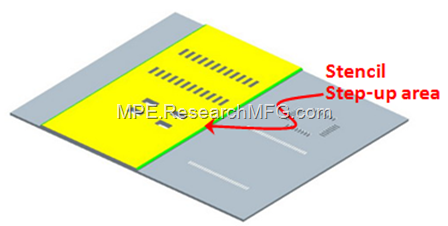
SMT engineers face the challenge of soldering these thin electronic components onto PCBs without encountering non-wetting or soldering short issues. This task is more difficult when dealing with a mix of larger and smaller parts on a circuit board.